
- Introduction To Corrective Exercise Free preview
- The importance of studying postural deviation programs
- Causes of postural deviations
- Assessment
- Corrective Exercise Continuum
- Scapular Movements
- Elevated Shoulder
- Round Shoulder, Scapula Protracted
- The Functional Anatomy For The Correction, Anterior Pelvic Tilt
Introduction to Corrective Exercise
This lecture introduces the scientific principles of corrective exercise and their application in improving posture, movement quality, and musculoskeletal function. Participants will learn how to identify common postural...
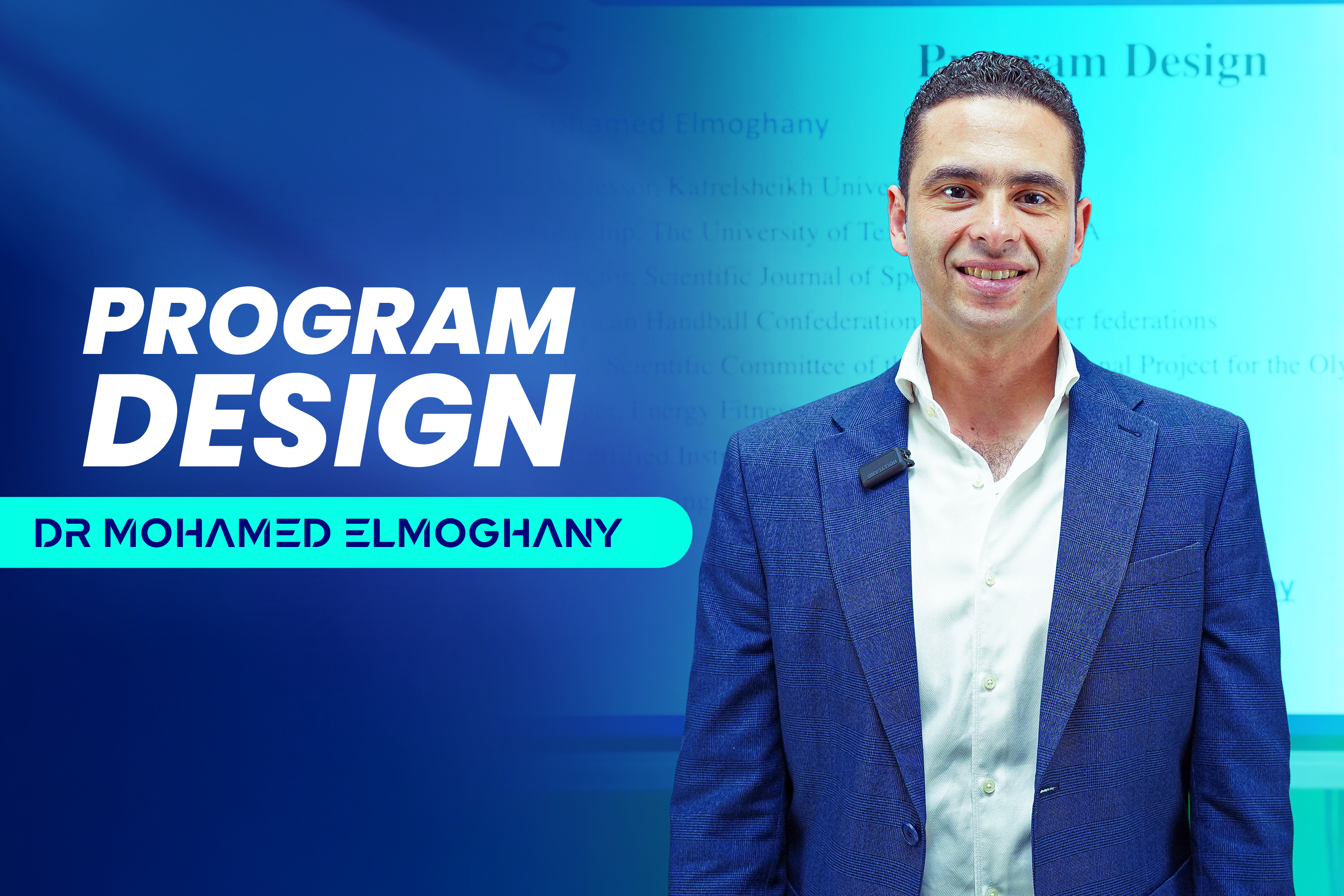
Dr. Muhammad Al-Mughni
Course Instructor
Course Overview
About the Course
This lecture introduces the scientific principles of corrective exercise and their application in improving posture, movement quality, and musculoskeletal function. Participants will learn how to identify common postural deviations, understand their underlying causes, and perform static and dynamic movement assessments.
The lecture covers ideal posture, common dysfunctions such as lordosis, kyphosis, scoliosis, pronation distortion syndrome, and movement compensations observed during functional assessments.
It also introduces the Corrective Exercise Continuum (Inhibit–Lengthen–Activate–Integrate) and demonstrates how to design corrective exercise programs that restore optimal movement patterns, improve joint alignment, reduce injury risk, and enhance overall physical performance.
Learning Outcomes By the end of this lecture, participants will be able to:
- Explain the principles and objectives of corrective exercise.
- Identify normal posture and recognize common postural deviations, including kyphosis, lordosis, scoliosis, and foot pronation.
- Describe the relationship between muscle imbalances, movement dysfunction, and injury risk.
- Perform static postural assessments from the anterior, lateral, and posterior views.
- Conduct dynamic movement assessments such as the Overhead Squat Assessment and basic pushing and pulling assessments.
- Interpret common movement compensations and identify potential overactive and underactive muscles.
- Apply the Corrective Exercise Continuum (Inhibit, Lengthen, Activate, and Integrate) to address movement dysfunctions.
- Select appropriate corrective exercises based on individual assessment findings.
- Design evidence-based corrective exercise programs to improve posture, movement efficiency, and functional performance.
- Monitor client progress and modify corrective interventions according to reassessment findings.
تقدم هذه المحاضرة المفاهيم الأساسية للتمرينات التصحيحية ودورها في تحسين القوام، وجودة الحركة، وكفاءة الجهاز العضلي الهيكلي. يتعرف المشاركون على الانحرافات القوامية الشائعة وأسبابها، وكيفية إجراء تقييمات القوام الثابت والديناميكي للكشف عن الاختلالات الحركية.
كما تتناول المحاضرة القوام المثالي، والانحرافات الشائعة مثل زيادة التقعر القطني، وزيادة التحدب الصدري، والجنف، وانحرافات القدم، بالإضافة إلى التعويضات الحركية أثناء الاختبارات الوظيفية.
وتشرح المحاضرة نموذج التمرينات التصحيحية (Inhibit–Lengthen–Activate–Integrate) وكيفية استخدامه لتصميم برامج علاجية تستعيد أنماط الحركة الطبيعية، وتحسن المحاذاة القوامية، وتقلل من خطر الإصابات، وترفع الكفاءة الحركية والأداء البدني. مخرجات التعلم بنهاية هذه المحاضرة سيكون المشارك قادرًا على:
- شرح مفهوم وأهداف التمرينات التصحيحية.
- التعرف على القوام الطبيعي وتمييز أشهر الانحرافات القوامية مثل زيادة التحدب، وزيادة التقعر، والجنف، وانحرافات القدم.
- تفسير العلاقة بين الاختلالات العضلية، وضعف الحركة، وزيادة احتمالية الإصابة.
- إجراء تقييم القوام الثابت من المنظر الأمامي والجانبي والخلفي.
- تنفيذ تقييمات الحركة الديناميكية، مثل اختبار القرفصاء فوق الرأس (Overhead Squat Assessment) وتقييمات الدفع والسحب.
- تحليل التعويضات الحركية وتحديد العضلات المفرطة النشاط والعضلات الضعيفة أو غير النشطة.
- تطبيق مراحل نموذج التمرينات التصحيحية: التثبيط (Inhibit)، والإطالة (Lengthen)، والتنشيط (Activate)، والتكامل الحركي (Integrate).
- اختيار التمارين التصحيحية المناسبة بناءً على نتائج التقييم.
- تصميم برامج تمرينات تصحيحية مبنية على الأدلة العلمية لتحسين القوام وكفاءة الحركة والأداء الوظيفي.
- متابعة تطور الحالة وإعادة التقييم لتعديل البرنامج التصحيحي بما يتناسب مع تقدم المتدرب.
Lecture Series
Lecture Series
1 lecture(s) / 9 video(s)
Instructor
Instructor CV
English CV
Assistant Professor of Sports Training at the Faculty of Sport Sciences, Kafrelsheikh University, and Instructor at TASS – Training Academy for Sport Sciences (UK), specializing in Strength & Conditioning, Training Load Management, and Athletic Performance.
- Holds a Ph.D. in Movement Sciences and Health Education, following advanced academic research conducted in collaboration with the University of Texas at Austin (USA), in addition to a Master's and Bachelor's degree in Sports Training.
- Brings over 15 years of academic and professional experience in sports training, physical preparation, and athlete performance development across both university and elite sports environments.
- Serves as a Scientific Committee Member at the Egyptian Ministry of Youth and Sports, and as a lecturer for the African Handball Confederation and the Egyptian Diving and Rescue Federation, contributing to the education and development of coaches and sports professionals.
- Has extensive practical experience as a Strength & Conditioning Coach, working with leading clubs including Al Ahly SC, Gezira SC, Kafr El Sheikh SC, and Belqas SC, supporting athlete development and team success at national competition levels.
- Certified as an American Council on Exercise (ACE) Instructor, with additional professional qualifications in personal training, sports performance, and athletic conditioning.
- Possesses extensive expertise in performance testing, sports physiology, periodization, and evidence-based training program design, with a strong focus on bridging scientific research and practical application in competitive sports.
- Recognized for translating sports science into practical performance solutions, helping athletes, coaches, and sports organizations maximize performance through modern, research-driven training methodologies.
Arabic CV
أستاذ مساعد بقسم التدريب الرياضي بكلية علوم الرياضة – جامعة كفر الشيخ، ومحاضر بأكاديمية TASS لتدريب علوم الرياضة (المملكة المتحدة)، متخصص في الإعداد البدني، وتخطيط الأحمال التدريبية، وتطوير الأداء الرياضي.
- حاصل على درجة الدكتوراه في علوم الحركة والتربية الصحية من خلال تعاون أكاديمي مع جامعة تكساس في أوستن (الولايات المتحدة الأمريكية)، بالإضافة إلى درجتي الماجستير والبكالوريوس في التدريب الرياضي.
- يمتلك خبرة أكاديمية ومهنية تزيد على 15 عامًا في مجالات التدريب الرياضي، والإعداد البدني، وتطوير الأداء الرياضي داخل المؤسسات الأكاديمية والأندية الرياضية.
- يشغل عضوية اللجنة العلمية بوزارة الشباب والرياضة، ويحاضر لدى الاتحاد الإفريقي لكرة اليد والاتحاد المصري للغوص والإنقاذ، مساهمًا في تأهيل المدربين والمتخصصين وفق أحدث الممارسات العلمية.
- يمتلك خبرة تطبيقية واسعة كـمخطط أحمال ومعد إعداد بدني مع عدد من أبرز الأندية، من بينها النادي الأهلي ونادي الجزيرة الرياضي ونادي كفر الشيخ ونادي بلقاس، حيث ساهم في تطوير أداء الرياضيين وتحقيق العديد من الإنجازات والصعود للمنافسات العليا.
- حاصل على اعتماد محاضر معتمد من المجلس الأمريكي للتمارين (ACE)، إلى جانب العديد من المؤهلات المهنية المتخصصة في التدريب الرياضي، والإعداد البدني، وتطوير الأداء الرياضي.
- يتميز بخبرة في اختبارات الأداء الرياضي، وفسيولوجيا الرياضة، وتخطيط الأحمال التدريبية، وتصميم البرامج التدريبية المبنية على الأدلة العلمية، مع خبرة واسعة في إعداد وتأهيل المدربين والمتخصصين.
- يُعرف بقدرته على دمج البحث العلمي مع التطبيق العملي وتحويل أحدث المفاهيم العلمية إلى استراتيجيات تدريبية فعالة تسهم في تطوير الأداء الرياضي وتحقيق أفضل النتائج على المستويين الفردي والمؤسسي.
Keep learning
More courses from your instructor
Course
CERTIFIED FITNESS TRAINER (CFT)
Dr. Muhammad Al-Mughni, Dr. Muhammad Abdul Sattar, Cap. Ahmed Salem, Cap. Momen Al-Mahdi
.jpg.jpeg)