
- Introduction To Program Development Free preview
- Fitness Evaluation
- Exercise Frequency, Selection, Resistance Training Analysis
- Deltoid ' Rta'
- Pectoralis Major ' Rta'
- Back , Rta
- Legs , Rta
- Cardio
- Exercise Order, Tempo, Training Load, Volume, Rest, Variation, Progression
- Case Study
Program Development CFT & CPT
This lecture introduces the fundamental principles of exercise program design for personal training and fitness coaching. Participants will learn how to collect client information, conduct fitness assessments, interpret health...
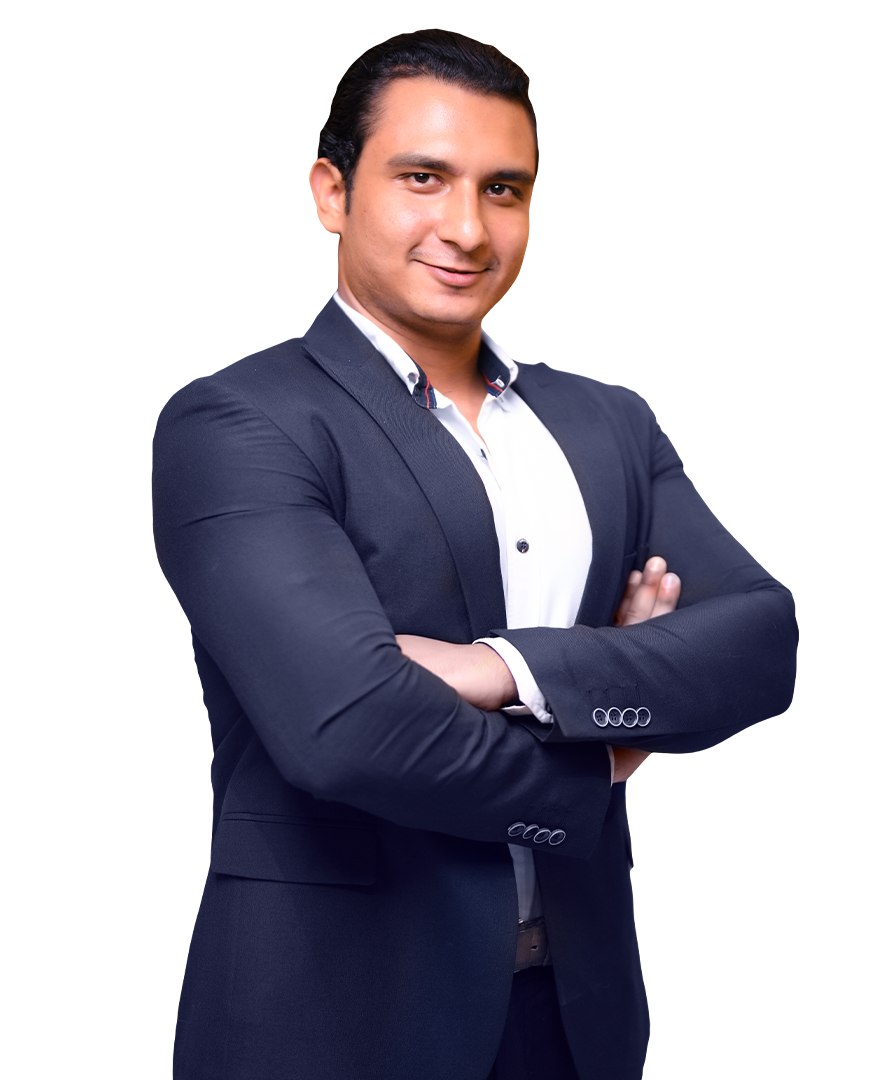
Cap. Momen Al-Mahdi
Course Instructor
Course Overview
About the Course
This lecture introduces the fundamental principles of exercise program design for personal training and fitness coaching. Participants will learn how to collect client information, conduct fitness assessments, interpret health screening results (PAR-Q+), and use assessment findings to develop safe and effective training programs.
The lecture covers the FITT principle, training frequency, exercise selection, resistance training analysis, exercise classification, muscle anatomy and function, and practical guidelines for designing individualized resistance training programs based on clients' goals, fitness level, and movement capabilities.
By the end of the lecture, learners will be able to create structured, evidence-based training programs that optimize performance, health, and long-term adherence.
Learning Outcomes By the end of this lecture, participants will be able to:
- Explain the principles of evidence-based exercise program design.
- Collect and interpret client information using health screening tools such as the PAR-Q+.
- Conduct and interpret fitness assessments, including cardiovascular endurance, muscular strength, muscular endurance, flexibility, and body composition.
- Apply the FITT principle to design individualized exercise programs.
- Select appropriate training frequency according to the client's experience and goals.
- Choose exercises based on biomechanics, safety, equipment availability, and client preferences.
- Analyze resistance training exercises according to body position, equipment, target muscles, and movement patterns.
- Identify the origin, insertion, and primary actions of major skeletal muscles involved in resistance training.
- Develop safe and progressive resistance training programs for beginners, intermediate, and advanced clients.
- Modify training variables to improve strength, hypertrophy, muscular endurance, and overall physical fitness
تتناول هذه المحاضرة الأسس العلمية لتصميم البرامج التدريبية في مجال التدريب الشخصي واللياقة البدنية. يتعرف المشاركون على كيفية جمع بيانات العميل، وإجراء الفحص الصحي الأولي باستخدام PAR-Q+، وتنفيذ تقييمات اللياقة البدنية المختلفة، ثم توظيف نتائجها في بناء برامج تدريبية آمنة وفعالة.
كما تغطي المحاضرة مبادئ FITT، وتحديد تكرار التدريب، واختيار التمارين المناسبة، وتحليل تمارين المقاومة، وتصنيف التمارين وفقًا لوضع الجسم والأدوات المستخدمة والمجموعات العضلية المستهدفة، بالإضافة إلى أساسيات التشريح الوظيفي للعضلات الرئيسية. وتهدف المحاضرة إلى تمكين المتدربين من تصميم برامج تدريبية فردية مبنية على الأدلة العلمية تتناسب مع أهداف ومستوى كل عميل.
مخرجات التعلم بنهاية هذه المحاضرة سيكون المشارك قادرًا على:
- فهم المبادئ العلمية لتصميم البرامج التدريبية.
- جمع بيانات العميل وتطبيق استبيان PAR-Q+ لتقييم الجاهزية الصحية لممارسة النشاط البدني.
- إجراء وتفسير اختبارات اللياقة البدنية (التحمل الدوري التنفسي، القوة العضلية، التحمل العضلي، المرونة، وتركيب الجسم).
- تطبيق مبدأ FITT في تصميم البرامج التدريبية.
- تحديد تكرار التدريب المناسب وفقًا لمستوى المتدرب وأهدافه.
- اختيار التمارين المناسبة بناءً على الأهداف، والميكانيكا الحيوية، وعوامل السلامة، وتوافر الأجهزة.
- تحليل تمارين المقاومة وفقًا لوضع الجسم، ونوع الأداة، والمجموعة العضلية المستهدفة، ونمط الحركة.
- التعرف على المنشأ والمرتكز والوظيفة الأساسية لأهم العضلات المستخدمة في تدريب المقاومة.
- تصميم برامج تدريبية متدرجة للمبتدئين، والمتوسطين، والمتقدمين.
- تعديل متغيرات الحمل التدريبي لتحقيق أهداف القوة العضلية، والتضخم العضلي، والتحمل العضلي، وتحسين اللياقة البدنية بشكل عام.
Lecture Series
Lecture Series
1 lecture(s) / 10 video(s)
Instructor
Instructor CV
English CV
* Sports Science Instructor* at *TASS – Training Academy for Sport Sciences (UK), specializing in **Sports Nutrition, Anatomy, and Biomechanics, with over **6 years of experience* in sports education and the fitness industry.
* *Master's Researcher in Sports Nutrition*, demonstrating an active commitment to scientific research and evidence-based practice in sports nutrition and performance enhancement.
* Holds a *Bachelor's Degree* from the *Faculty of Commerce, Alexandria University*, complemented by advanced professional education and internationally recognized certifications in sports science.
* Certified *Sports Nutrition Specialist* by *The College of Sports Science and Technology at London University* and *TASS – Training Academy for Sport Sciences (UK), with certifications approved by the **American Council on Exercise (ACE)* and the *Egyptian Federation of Sports Culture (ESCA)*.
* Certified *Personal Trainer* and an active member of both the *International Organization of Health and Nutrition Science (IOHS)* and the *International Federation of Fitness Coaches (IFFC)*.
* Possesses extensive practical experience as a *Sports Nutritionist for Athletes, **Online Coach, and **Fitness Manager*, combining scientific knowledge with hands-on expertise in athlete development, fitness programming, and performance optimization.
* Experienced in designing educational content, delivering professional workshops, developing structured training systems, and mentoring students and fitness professionals through evidence-based teaching methodologies.
* Recognized for his ability to translate *sports science into practical coaching strategies*, helping athletes, coaches, and fitness professionals improve performance while reducing injury risk through scientifically supported training and nutrition practices.
Arabic CV
* محاضر بعلوم الرياضة* في *أكاديمية TASS لتدريب علوم الرياضة (المملكة المتحدة)، متخصص في **التغذية الرياضية، والتشريح، والميكانيكا الحيوية، ويتمتع بخبرة تزيد على **6 سنوات* في مجال التعليم الرياضي وصناعة اللياقة البدنية.
* *باحث ماجستير في التغذية الرياضية*، ويواصل مسيرته الأكاديمية والبحثية في تطبيق أحدث الأساليب العلمية لتحسين الأداء الرياضي والتغذية المبنية على الأدلة. * حاصل على *درجة البكالوريوس* من *كلية التجارة – جامعة الإسكندرية*، إلى جانب مجموعة من المؤهلات المهنية والاعتمادات الدولية المتخصصة في علوم الرياضة.
* حاصل على اعتماد *أخصائي تغذية رياضية* من *College of Sports Science and Technology at London University* و*أكاديمية TASS لتدريب علوم الرياضة (المملكة المتحدة)، باعتماد من **المجلس الأمريكي للتمارين (ACE)* و*الاتحاد المصري للثقافة الرياضية (ESCA)*.
* *مدرب شخصي معتمد* وعضو في كلٍ من *المنظمة الدولية لعلوم الصحة والتغذية (IOHS)* و*الاتحاد الدولي لمدربي اللياقة البدنية (IFFC)*، بما يعكس التزامه بالتطوير المهني المستمر.
* يمتلك خبرة تطبيقية واسعة كـ*أخصائي تغذية رياضية للرياضيين، ومدرب أونلاين، ومدير للياقة البدنية*، مع خبرة في تصميم البرامج التدريبية، وتطوير الأداء البدني، وإدارة فرق العمل داخل مراكز اللياقة البدنية.
* يتميز بخبرة في *إعداد المحتوى العلمي*، وتقديم ورش العمل المهنية، وتطوير المناهج التدريبية، وتأهيل المدربين والمهتمين بمجال علوم الرياضة وفق أحدث الممارسات العلمية. * يُعرف بقدرته على *تحويل المفاهيم العلمية إلى تطبيقات عملية* تساعد المدربين والرياضيين على تحسين الأداء الرياضي والوقاية من الإصابات من خلال التدريب والتغذية المبنيين على الأدلة العلمية.
Keep learning
More courses from your instructor

Course
CERTIFIED FITNESS TRAINER (CFT)
Dr. Muhammad Al-Mughni, Dr. Muhammad Abdul Sattar, Cap. Ahmed Salem, Cap. Momen Al-Mahdi